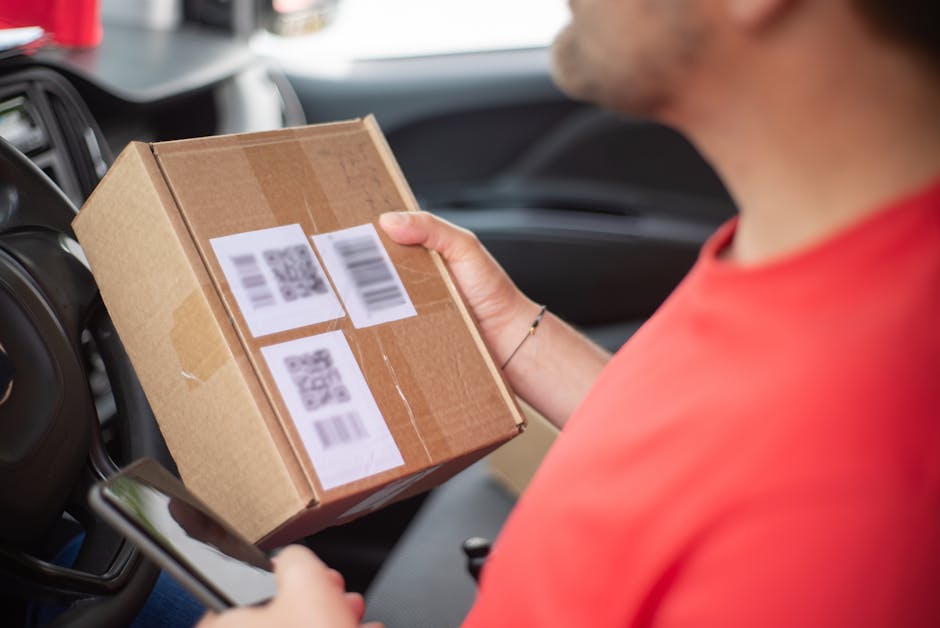
In today’s fast-paced logistics environment, companies are continually challenged to enhance efficiency while reducing operational costs. One of the most significant pain points for logistics firms, especially those with a mid-sized fleet of around 50 trucks, is managing scheduling and optimizing routes effectively. Manual scheduling is time-consuming and often leads to errors, delays, and increased costs. Automation can address these challenges by streamlining operations and ensuring timely deliveries.
The Importance of Automation in Scheduling
Manual scheduling involves a lot of back-and-forth communication between dispatchers and drivers, which can lead to miscommunication and inefficiencies. By automating this process, logistics companies can:
- Reduce human error in scheduling
- Improve response times for load assignments
- Enable more dynamic adjustments based on real-time data
Automation tools that integrate with existing Transportation Management Systems (TMS) facilitate these improvements by leveraging algorithms that take into account various factors like traffic conditions, vehicle availability, and delivery windows.
Route Optimization Techniques
Route optimization goes hand-in-hand with scheduling automation. By utilizing advanced algorithms and machine learning techniques, routing software can analyze numerous variables to determine the most efficient paths for deliveries. Factors considered may include:
- Traffic patterns
- Weather conditions
- Road closures or construction updates
- Driver hours of service regulations
For example, a mid-sized carrier might implement a solution that automatically adjusts routes based on live traffic updates from an API integrated into their TMS. This capability not only saves fuel but also enhances customer satisfaction through timely deliveries.
A Practical Example of Automated Scheduling and Routing
Consider a scenario where a logistics company receives multiple delivery requests throughout the day. Instead of having dispatchers manually assign loads based on their intuition or past experience, an automated system could analyze incoming requests against current truck locations using real-time GPS data.
Using REST APIs integrated with their TMS, the system might do the following:
- Automatically allocate loads based on proximity to drivers’ last known locations.
- Simplify communication by sending electronic notifications directly to drivers via mobile apps.
- Re-optimize routes in response to unexpected delays or new job entries dynamically.
This approach minimizes idle time for trucks while maximizing productivity—ultimately enhancing profitability.
Best Practices for Implementing Automation Solutions
When considering automation for scheduling and route optimization within logistics operations, certain best practices should be adhered to:
- Select Scalable Solutions: Ensure that any software chosen can grow with your business needs without requiring extensive reconfiguration.
- User-Friendly Interfaces: Choose platforms that offer intuitive dashboards so that operators can easily adjust settings as needed.
- Create Feedback Loops: Implement systems that allow drivers and dispatchers to provide input on routes taken; this data is invaluable for continuous improvement.
- Pilot Testing: Before full-scale implementation, conduct pilot tests in controlled scenarios to identify potential issues without impacting overall operations.
By following these best practices alongside robust technology integration strategies—including WebSocket connections for real-time updates—logistics companies can achieve substantial gains in efficiency.
In conclusion, automating scheduling and route optimization presents an opportunity for logistics companies to significantly improve operational efficiency while reducing costs associated with manual processes. By leveraging modern technologies like REST APIs for integration and advanced algorithms for routing solutions, organizations can streamline their workflows effectively. As they embrace these automated solutions, they will see measurable results such as reduced delivery times, lower fuel consumption, and enhanced customer satisfaction—key metrics that contribute directly to improved bottom lines.